Transforming Spaces: How Thoughtful Design and Wellness Strategies Enhance Cancer Recovery
In the journey of cancer recovery, the role of our environment can often be overlooked. Yet, thoughtful interior design emerges as an invaluable ally in the healing process. Imagine a space that not only houses medical equipment but also envelops patients in tranquility and warmth. This introduction to revitalizing recovery reveals how elements like color, light, and furniture styles can contribute to the well-being of those fighting against carcinoma and other tumors. Are you ready to explore how the right living space can be transformative for patients and survivors alike?
When we heartily embrace holistic health principles in our living spaces, we shift from a traditional healthcare model to a sanctuary of healing. Comforting spaces created with ergonomic furniture can reduce discomfort during treatment and foster a mental environment conducive to recovery. As we dive into cancer education, let’s remember that our surroundings impact our mental health. A bright room flooded with natural light may uplift a patient’s spirit more than we realize, providing them with the emotional support they need during grueling therapy sessions. How can we reimagine our homes to foster an atmosphere of healing?
Consider the power of personal stories that emerge from the cancer community. Survivors often share how changes in their living environments contributed to their healing journeys. A beautifully designed, clutter-free living room can serve as a peaceful retreat from the chaos of cancer treatment. Furthermore, sustainable furniture choices can promote a sense of positivity. It's enthralling to think of how every furniture trend we embrace can symbolize a step toward recovery. What narrative are your home decor choices telling about your journey?
As we align interior design with wellness strategies, we must also acknowledge the crucial concept of patient support. This integration can be achieved not just through aesthetics but by thoughtful design that encourages social interaction, fostering connections amongst support groups or family members. An inviting space can promote open dialogues about cancer resources, share survivor stories, or even stimulate enjoyable moments to balance the rigors of treatment. How can we design our homes to act as hubs for healing conversations and community nurturing?
The appeal of thoughtful interior design in oncology care is undeniable. By prioritizing the well-being of patients, we can create personalized spaces that resonate with comfort and hope. As we continue our blogging journey and engage with online communities, let’s not forget to advocate for lifestyle changes that enhance recovery. Empowered spaces equipped with the right tools for symptom management can make all the difference. Are you ready to embrace a design evolution that brings wellness to the forefront of your living space?
From Tumor to Triumph: Wellness Strategies for a Healing Space
Imagine for a moment a space that nurtures not just the body but the soul—a sanctuary where every element contributes to healing. This is the essence of transforming spaces into environments that promote recovery for those courageously battling cancer. With the right combination of thoughtful design and wellness strategies, we can turn a simple room into a haven that supports mental health, fosters well-being, and offers a restorative retreat for patients facing the grueling journey through oncology. How can we create such spaces, you might ask?
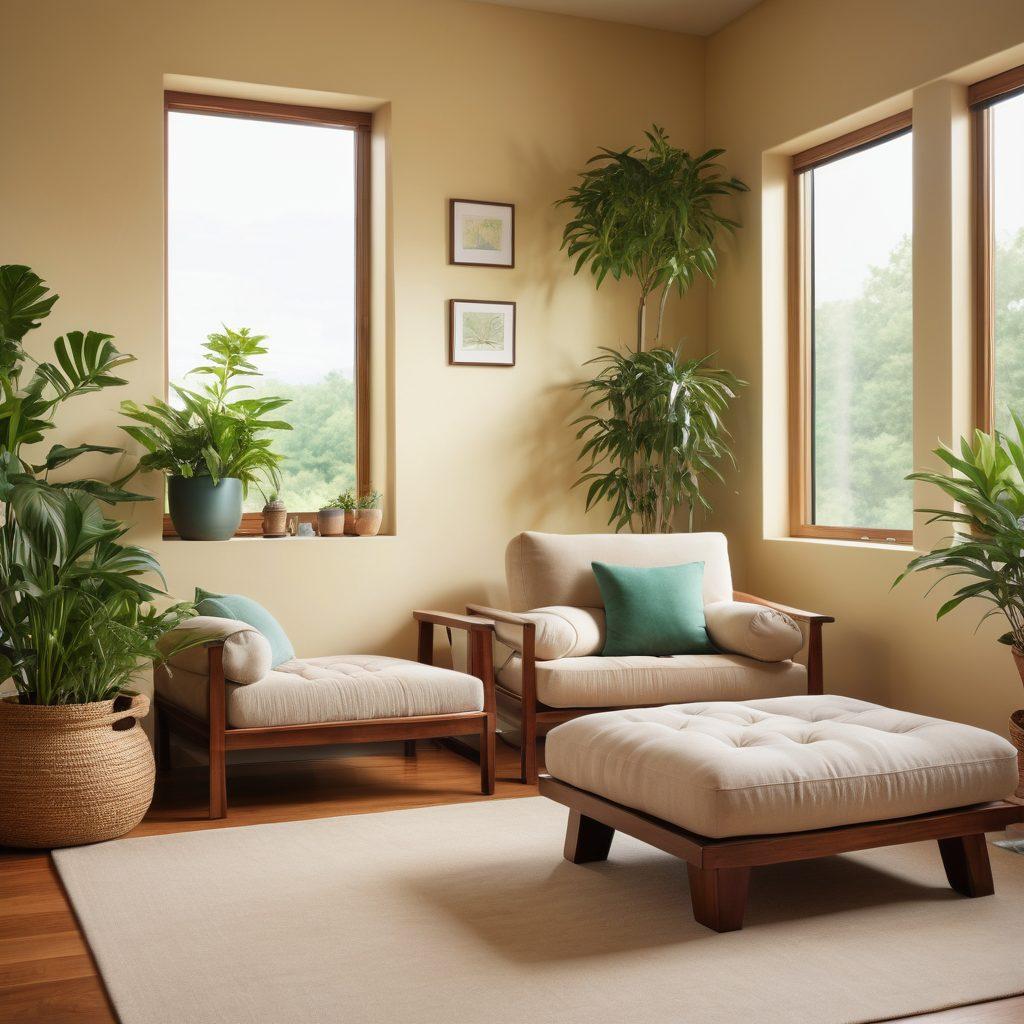
The journey from tumor to triumph is often fraught with emotional and physical challenges. Cancer survivors share inspiring stories that resonate deeply with those still on their journey, underscoring the pivotal role that environment plays in the recovery process. For instance, a cancer survivor might find solace in a cozy reading nook, where ergonomic furniture and sustainable decor create a setting ideal for relaxation and reflection. Such spaces can help alleviate the chaos that often accompanies a carcinoma diagnosis, allowing patients to focus on their health rather than the weight of their circumstances. This transformation can spark discussions about lifestyle changes that promote well-being, from incorporating greens to decluttering their living spaces. What changes could you make to your environment that might support someone in recovery?
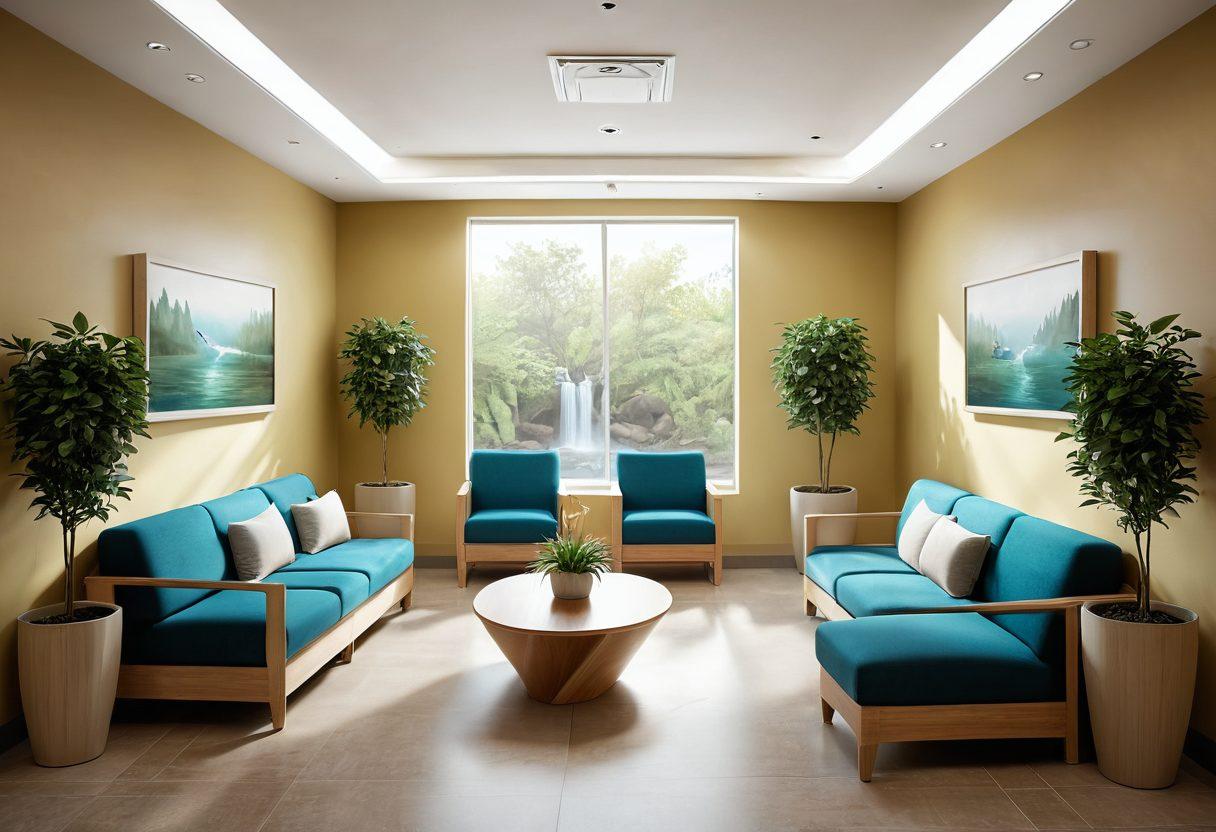
Holistic health involves looking beyond just the physical aspects of recovery—instead, it's about creating an atmosphere that supports the entire person. This means paying attention to interior design elements that foster tranquility and promote mental health. Softer colors, natural lighting, and well-considered furniture trends can significantly elevate the healing experience. Imagine a home infused with gentle hues of blue and green, providing a backdrop for rest and rejuvenation. With each stroke of the brush and careful selection of furnishings, we can create a living space that echoes the ethos of patient support. With thoughtful decor, every corner can be transformed into a reminder of resilience and hope.
Cancer resources abound for those seeking assistance throughout their journey, but what if those resources extended into our very homes? Some may choose to join support groups or consult with professionals focused on cancer education, which can aid in symptom management. Yet, few realize how empowering a well-designed living space can be. Simply put, designing a space that prioritizes comfort and convenience could have profound impacts on a patient's emotional state. It also invites those within the cancer community to come together, sharing experiences and insights that enrich our understanding of recovery. Especially during challenging times, how can we bring the community spirit into our homes?
As we delve deeper into the conversation surrounding wellness strategies, we recognize that recovery isn't just physical; it emanates from every aspect of life. Integrating comfortable and stylish furniture styles that embody tranquility can also speak volumes about one's journey. By making conscious choices in decor—such as opting for sustainable materials and ergonomic designs—we help cultivate awareness surrounding preventive care. Not only does this create a pleasing aesthetic, but it also promotes a lifestyle focused on health and sustainability. Each piece of furniture tells a story; each room has the potential to uplift and inspire. What stories would your healing space tell if it could speak?
Creating a Sanctuary: How Design Choices Foster Well-Being in Oncology
In the realm of oncology, a robust and supportive environment can significantly influence patient outcomes during their recovery journey. Imagine entering a room that feels more like a haven than a sterile healthcare facility - an inviting space where warmth and comfort soothes the spirit. This transformative potential lies in thoughtful design choices, which can serve as a sanctuary for those grappling with the formidable challenges of cancer. Those who have traversed the path of treatment, from navigating symptoms of carcinoma to seeking assistance within the cancer community, know that the physical environment plays a critical role in fostering well-being. How do we create spaces that not only heal but inspire resilience?
Design is not merely about aesthetics; it’s about the emotional impact that our living spaces can have on mental health and recovery. When selecting home decor, why not choose pieces that resonate with the peacefulness of nature? Consider incorporating sustainable furniture or ergonomic furniture styles that promote comfort and functionality. Cozy spaces can enhance therapy sessions, allowing cancer education and patient support initiatives to flourish within an inviting atmosphere. As we let in natural light through expansive windows or incorporate calming colors into our interior design, we can cultivate an environment that underscores optimism and renewal.
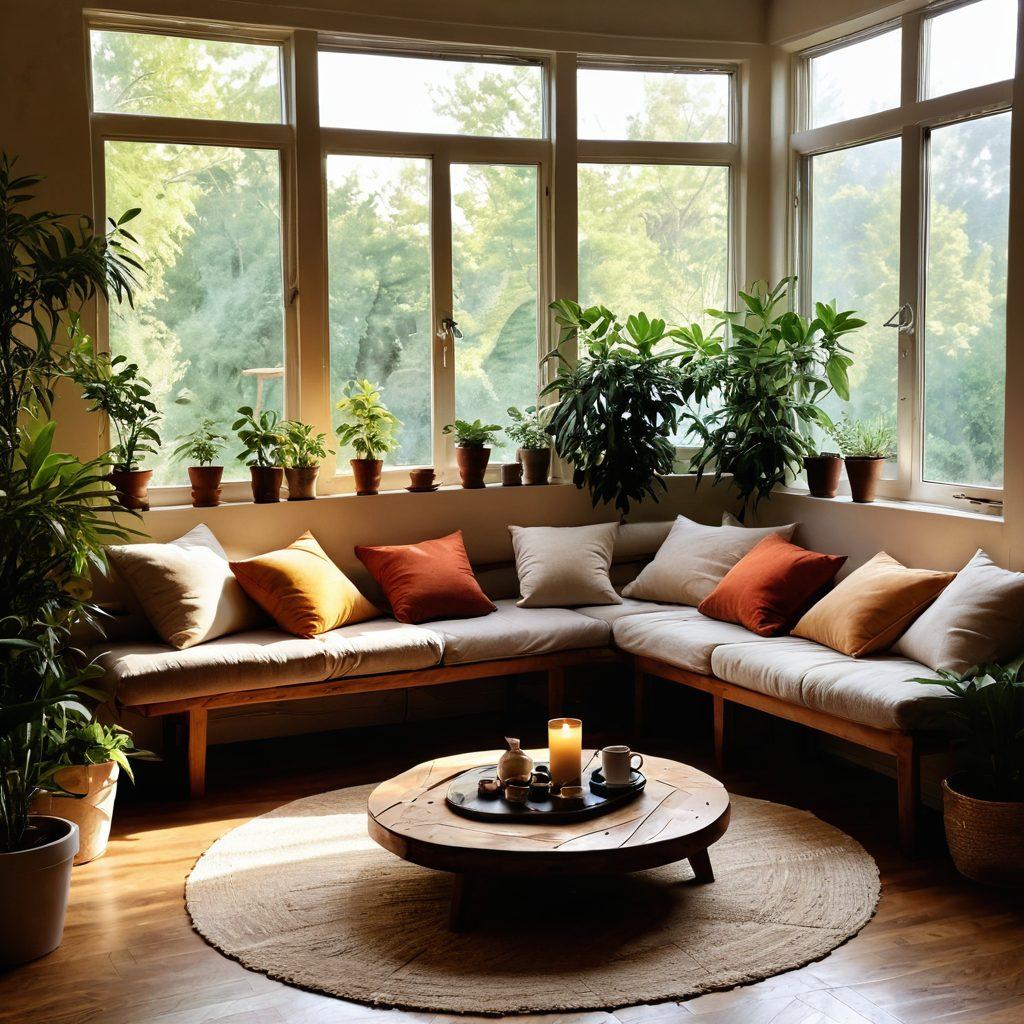
Stories of survivors often highlight the importance of a nurturing home environment. Survivors recount how simple lifestyle changes, like creating a sacred nook for meditation or introducing greenery, have positively impacted their recovery from treatment. As one cancer survivor noted, "My sunlit reading corner was my refuge, a place where I could escape and gather strength." These personal stories are a reminder that our living spaces can either hinder or propel our healing journeys. So, have you considered how your home setting contributes to your recovery? How can we make our spaces reflect resilience and hope?
Support groups and the cancer community at large emphasize the importance of mental well-being during recovery. Integrating wellness strategies into interior decor can encourage not just physical, but also emotional healing. Thoughtful seating arrangements in shared spaces can foster connection, while peaceful zones allow for solitude and reflection. Where are the corners of your home that invite conversation, and where are those that offer solace? The balance between community and quietude is essential; thus, understanding furniture trends that promote both is key in supporting holistic health in the oncology patient experience.
As we continue to explore these principles, we must also look toward the future—the future of cancer research that extends beyond the clinical realm. Envision a space where advanced therapies meet a supportive home atmosphere, combining the best of science and nurturing design. By intertwining cancer resources with thoughtful design, we can inspire a new wave of healthcare spaces that prioritize well-being. This is not just about recovery; it’s about crafting an enriched lifestyle that celebrates resilience. How will you design your sanctuary? What choices can transform your living space into a vessel of support and healing?